
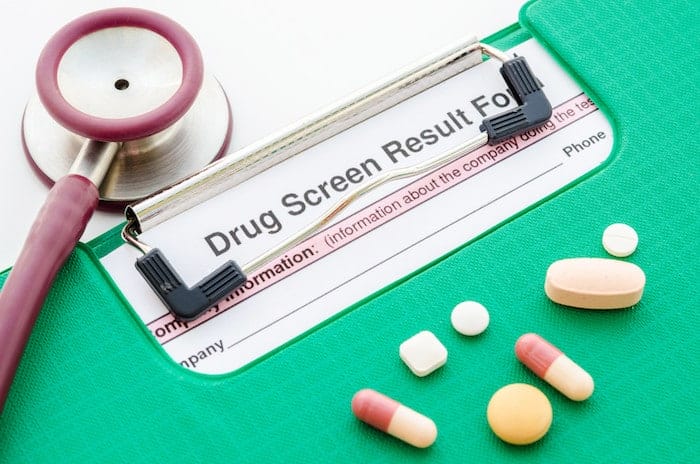
Recovery from addiction is not just about stopping substance use. It is about rebuilding structure, restoring trust, and learning how to move forward with stability and confidence. In Florida recovery programs, drug screening plays an important role in that process. When combined with compassionate care, mental health treatment, and individualized support, structured drug screening becomes a healing tool that helps people stay accountable while working toward lasting recovery success.
Why Structure Matters in Addiction Recovery
Structure is one of the most important foundations in addiction recovery. Without it, individuals often struggle with uncertainty, inconsistency, and increased risk of relapse. Florida drug screening programs provide a reliable framework that helps create stability during an otherwise challenging transition.
Supervised drug screening gives participants clear expectations and consistent follow through. This structure helps individuals stay engaged in their recovery plan, attend treatment sessions, and remain focused on their goals. It also gives treatment providers valuable insight into progress so they can adjust care when needed.
More importantly, structure provides a sense of safety. When people know what to expect, they are better able to focus on healing instead of chaos or confusion.
How Structure Supports Long-Term Change
Structure is not just about rules. It is about building habits that support long-term recovery. Regular drug screening encourages consistency, responsibility, and self-awareness.
Over time, these habits become part of daily life. Individuals begin to rely less on external accountability and more on internal motivation. This shift is where real transformation begins. Recovery becomes less about avoiding substances and more about building a healthier and more stable life.
The Role of Florida Drug Screening in Recovery Programs
Florida drug screening services are designed to support recovery in a professional and compassionate way. They are often integrated into addiction treatment programs that include inpatient care, outpatient services, mental health support, and holistic healing approaches.
Drug screening is used as a supportive tool, not a punitive measure. It helps ensure that individuals remain engaged in their treatment plan while giving care teams the information they need to provide effective support.
When combined with counseling and behavioral health services, drug screening becomes part of a larger system of care that addresses the full scope of addiction.
Building Accountability With Compassion
Accountability is a key part of recovery success, but it must be delivered with compassion to be effective. In Florida recovery programs, drug screening is designed to support, not shame.
When individuals feel respected and understood, they are more likely to be honest about their struggles. This honesty allows counselors to provide better guidance and more personalized support.
Instead of focusing on punishment, the emphasis is placed on progress. Even small steps forward are recognized and reinforced, helping individuals stay motivated throughout their recovery journey.
Integrating Holistic and Individualized Care
Addiction affects every part of a person’s life, including emotional, physical, and spiritual health. That is why Florida drug screening programs often work alongside holistic and individualized treatment approaches.
Holistic care may include mindfulness practices, stress management techniques, nutritional support, and faith-based guidance. These approaches help individuals develop healthier coping strategies and improve overall well-being.
Individualized care ensures that each person receives treatment that fits their specific needs. Some may benefit from structured inpatient programs, while others may thrive in outpatient care that allows for more flexibility. Drug screening supports both by providing consistent accountability regardless of treatment setting.
Practical Ways to Strengthen Recovery Through Structure
- Stay consistent with all scheduled drug screenings and treatment sessions.
- Communicate openly with counselors about triggers, stress, and challenges.
- Focus on building daily routines that support stability and healthy habits.
- Use support systems such as family, peers, and recovery groups for encouragement.
- Celebrate progress, even when it feels small, to reinforce motivation.
These steps help individuals get the most benefit from structured support while strengthening long-term recovery outcomes.
The Long-Term Impact of Structured Support
Structured drug screening does more than monitor progress. It helps individuals rebuild their lives with confidence and clarity. Over time, people in recovery learn how to manage stress, avoid triggers, and make healthier decisions.
As structure becomes part of daily life, confidence grows. Individuals begin to trust themselves again, which is a critical part of sustaining long-term sobriety. This combination of accountability and support creates lasting change that extends far beyond treatment.
Conclusion: Healing Through Structure, Support, and Accountability
Structured support is one of the most powerful tools in addiction recovery. Florida drug screening programs combine professional supervision with compassionate care to help individuals stay accountable while building meaningful progress. When paired with mental health treatment and holistic support, this structure becomes a foundation for real healing.
If you or someone you love is struggling with addiction or mental health challenges, reaching out for help can be the first step toward stability and recovery. With the right structure and support, lasting change is possible, and a healthier future is within reach.