
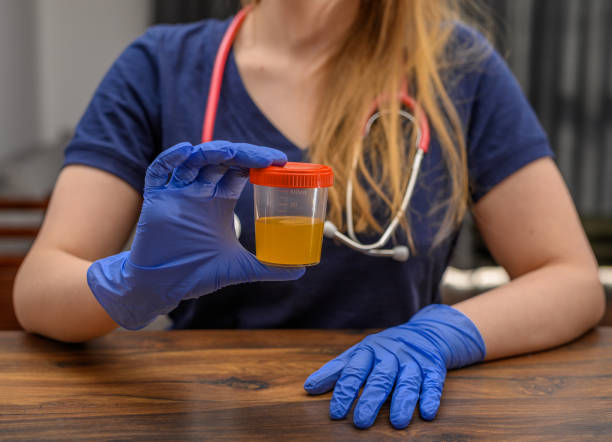
Building a stable life after substance use takes more than the decision to stop using drugs or alcohol. Lasting recovery often depends on developing healthier habits, learning to manage stress, and having reliable support when challenges arise. Supervised drug testing in Florida recovery programs can provide an added layer of accountability that helps individuals stay focused on their goals. When combined with counseling, appropriate treatment, and consistent recovery planning, drug testing can encourage honest communication, reinforce responsibility, and help identify concerns that may require additional support.
For individuals working to rebuild their lives, accountability should be a practical tool for progress, not a source of shame. A well-designed recovery plan recognizes that every person’s circumstances are different and that sustainable change develops through consistent effort over time.
Why Accountability Matters in Addiction Recovery
Recovery involves changing behaviors that may have developed over months or years. These patterns can be connected to stress, emotional pain, social environments, or untreated mental health concerns. Although motivation is important, individuals also benefit from routines and support systems that help them follow through on their commitments.
Accountability provides a way to connect recovery goals with everyday actions. It may involve attending counseling sessions, following a treatment plan, participating in support groups, or completing scheduled drug tests when required.
Turning Recovery Goals Into Daily Habits
Large goals can feel overwhelming when someone is rebuilding their life. Breaking them into manageable steps makes progress easier to recognize and maintain.
For example, a person returning to work after treatment might establish a consistent sleep schedule, attend regular counseling sessions, avoid high-risk environments, and maintain contact with trusted support people. Supervised drug testing may be another part of that plan when appropriate.
These actions reinforce a simple but important principle: recovery is strengthened by repeated decisions that support well-being.
Over time, consistent routines can help individuals develop greater confidence in their ability to manage responsibilities and respond to difficult situations without returning to substance use.
Encouraging Responsibility Without Judgment
Effective accountability does not require humiliation or harsh treatment. Instead, it creates clear expectations and encourages people to take ownership of their choices.
When a challenge occurs, the response should focus on understanding what happened and identifying the support needed to move forward. This approach can make it easier to discuss cravings, stress, or setbacks before they become more serious.
Accountability is most useful when it encourages honesty and problem-solving while respecting each person’s dignity.
The Value of Supervised Drug Testing in Florida Recovery Programs
Supervised drug testing can serve several purposes within an appropriate recovery or monitoring plan. It may help document compliance with program requirements, provide objective information about recent substance exposure, and reinforce an individual’s commitment to agreed-upon goals.
In Florida, testing may be relevant to certain treatment programs, court-related requirements, workplace policies, or other authorized monitoring arrangements. The purpose, testing schedule, and procedures depend on the specific circumstances.
Providing Structure and Consistency
A predictable testing schedule can help individuals remain mindful of their responsibilities. When testing is part of a broader recovery plan, it can reinforce the importance of following through on commitments even when motivation fluctuates.
For some people, this added structure is particularly helpful during the transition from inpatient treatment to outpatient care or independent living. The person may no longer have the same daily supervision they experienced in a residential setting, so clear expectations can provide useful continuity.
However, testing is not a complete recovery strategy. It cannot replace counseling, medical care, or the development of healthy coping skills.
Supporting Transparency and Communication
Trust can be difficult to rebuild after substance use has affected personal relationships or professional responsibilities. Consistent participation in an agreed-upon monitoring plan may help demonstrate follow-through over time.
Drug testing can also provide information for conversations between an individual and the professionals involved in their care or supervision. Results should be interpreted carefully, with consideration for the testing method, prescribed medications, and the need for confirmation when appropriate.
A professional approach emphasizes accurate procedures, confidentiality, and clear communication about how results will be handled.
How Supervised Drug Testing Helps Reinforce Healthy Behaviors
Drug testing is most valuable when it supports meaningful behavioral change rather than becoming the sole measure of recovery. The broader goal is to help individuals develop habits that remain useful long after a monitoring requirement ends.
Identifying Risks Before They Escalate
Recovery challenges do not always appear suddenly. Sometimes, warning signs develop gradually. An individual may begin missing appointments, withdrawing from supportive relationships, experiencing stronger cravings, or returning to environments associated with past substance use.
Regular check-ins and appropriate testing may help bring concerns to attention. If a result or behavioral pattern raises questions, the next step should involve a careful review of the circumstances and consideration of additional support.
A drug test alone cannot explain why substance use occurred or determine whether a person is making meaningful progress. However, when considered alongside other information, it may help professionals decide whether a recovery plan needs adjustment.
Strengthening Personal Responsibility
Accountability becomes more sustainable when individuals begin to recognize the connection between daily choices and long-term goals.
For instance, someone who identifies social pressure as a trigger may choose to avoid certain gatherings, arrange transportation home, or contact a support person before entering a challenging situation. These are practical decisions that reduce risk and reinforce personal responsibility.
Supervised testing can provide an external structure while individuals practice these skills. As recovery continues, the goal is to strengthen internal motivation so that healthy choices become part of everyday life.
Combining Drug Testing With Mental Health and Addiction Treatment
Substance use often involves more than physical dependence. Emotional distress, trauma, anxiety, depression, and other mental health concerns may contribute to substance use or make recovery more difficult.
For this reason, supervised drug testing should be considered alongside treatment that addresses the whole person.
Understanding Co-Occurring Mental Health Conditions
When a person experiences both a substance use disorder and a mental health condition, treating only one concern may leave important needs unresolved.
Counseling can help individuals recognize emotional triggers, challenge unhelpful thought patterns, and develop healthier responses to stress. Depending on their needs, treatment may also involve medical assessment, medication management, peer support, or other evidence-based services.
Testing may provide information about substance exposure, but it cannot diagnose depression, assess emotional stability, or replace a professional mental health evaluation.
A coordinated plan gives individuals a better opportunity to address the factors affecting their recovery.
Choosing the Appropriate Level of Care
Different stages of recovery require different levels of support.
- Inpatient treatment: Provides a structured environment for people who need intensive care and close supervision.
- Outpatient treatment: Allows individuals to attend scheduled treatment while continuing to manage responsibilities at home or work.
- Ongoing recovery support: May include counseling, peer groups, follow-up appointments, and monitoring when appropriate.
The right option depends on clinical needs, safety considerations, personal circumstances, and professional recommendations. Drug testing may complement these services, but it should not determine the appropriate level of care by itself.
Supporting Whole-Person Wellness
Healthy habits can strengthen recovery by helping individuals manage stress and create a more balanced daily life. Depending on personal preferences and clinical guidance, useful practices may include regular exercise, nutritious meals, adequate sleep, mindfulness, creative activities, and spiritual practices.
Some individuals also benefit from faith-based support or community involvement. These approaches can provide purpose and connection when they align with the person’s values.
No single approach works for everyone. An individualized plan allows people to identify which habits and support systems are most useful for their needs.
What Happens When a Drug Test Raises Concerns?
A concerning drug test result can be difficult to face, particularly for someone who has worked hard to maintain recovery. Nevertheless, one result should not automatically erase the person’s progress or define their future.
The appropriate response depends on the testing circumstances, the program’s requirements, and any relevant clinical concerns.
Responding With Honesty and Practical Support
If a test result is unexpected or disputed, the individual should discuss it with the appropriate professional and ask whether confirmatory testing or further review is warranted. Prescribed medications and the limitations of the testing method may need to be considered.
If substance use has occurred, it is important to assess immediate safety and determine whether additional treatment or recovery support is needed. A return to use may indicate that the existing plan requires changes, such as more frequent counseling, renewed clinical assessment, or stronger support around specific triggers.
The focus should remain on reducing risk, addressing underlying concerns, and helping the individual take the next constructive step.
Choosing a Professional Drug Screening Provider in Florida
When drug testing is required as part of a recovery, workplace, or supervision arrangement, choosing a professional provider can help make the process clearer and more reliable.
Before scheduling a test, ask about available testing methods, identification requirements, collection procedures, result reporting, confidentiality, and expected turnaround times. If testing is connected to a court order or formal program, confirm the specific requirements with the organization requesting the test.
Florida Drug Screening can be a starting point for individuals seeking information about drug screening services in Florida. Contacting a provider directly can help clarify available options and determine which testing services fit the situation.
Remember that drug screening and addiction treatment serve different purposes. If substance use, cravings, or mental health concerns are affecting daily life, consider speaking with a qualified treatment professional as well.
Build Better Habits for Lasting Recovery
Long-term recovery grows through consistent effort, honest communication, and support that reflects each person’s needs. Supervised drug testing can contribute to this process by reinforcing accountability, documenting results, and helping individuals remain focused on agreed-upon goals. Its value is greatest when it works alongside appropriate treatment, mental health care, and practical strategies for building healthier routines.
If you or someone you care about needs drug screening services in Florida, taking the time to understand the available options is a useful first step. Reach out to Florida Drug Screening to ask about testing services and procedures. If recovery challenges are also present, consider connecting with a qualified addiction or mental health professional who can help create a personalized plan.
With the right combination of structure, support, and daily effort, individuals can strengthen healthy habits, address setbacks constructively, and continue working toward a more stable future.