Florida Drug Testing Laws and Policies: Ensuring Compliance and Public Safety

Florida has long recognized the importance of drug testing as a critical component of public safety and compliance enforcement. Whether implemented in legal supervision, employment practices, or rehabilitation programs, Florida’s drug testing laws and policies are structured to deter substance abuse, ensure accountability, and support both individual recovery and community well-being.

Legal Framework and Application

Florida’s drug testing laws are governed by several key statutes, including Chapter 440 (Workers’ Compensation), Chapter 112 (Public Officers and Employees), and Chapter 948 (Probation and Community Control). These laws provide a structured legal framework for when and how drug testing can be implemented, ensuring both fairness and effectiveness.

In the legal system, individuals under court-ordered supervision such as probation, parole, or participation in drug court are subject to mandatory and often random drug testing. According to Florida Statute §948.03, drug testing is a condition of probation, and failure to comply can lead to revocation or additional sanctions. This legal accountability ensures that individuals remain sober as a condition of their rehabilitation or conditional release.

Employment and the Drug-Free Workplace Program

Florida also promotes a drug-free workplace through its voluntary Drug-Free Workplace Program, authorized under Chapter 440. Employers who implement this program and adhere to its guidelines may be eligible for a 5% discount on their workers’ compensation insurance premiums. To qualify, businesses must conduct drug testing during pre-employment, reasonable suspicion, post-accident, and return-to-duty situations, and may also conduct random tests.

Under these policies, employees are tested using methods such as urine or saliva samples, with clear guidelines for confidentiality, medical review, and due process. Employees who test positive may be offered access to treatment through Employee Assistance Programs (EAPs), reflecting the state’s commitment to rehabilitation alongside enforcement.

Drug Courts and Treatment Programs

Florida’s drug court system integrates testing into structured treatment plans as an alternative to incarceration. Participants are regularly tested to monitor their progress and ensure adherence to sobriety requirements. The frequency and unpredictability of these tests enhance accountability and allow courts to respond appropriately to compliance or relapse.

Drug testing in this context supports rehabilitation, allowing treatment providers and the courts to track progress, provide incentives, or intervene when necessary. This model blends justice with compassion, reducing recidivism and improving outcomes for individuals struggling with substance use disorders.

Public Safety and Community Impact

Florida’s drug testing policies contribute significantly to public safety by helping to identify and monitor individuals who may pose a risk to themselves or others due to substance use. In sectors like transportation, healthcare, and public service, drug testing ensures that individuals in safety-sensitive positions remain sober and capable of performing their duties responsibly.

Additionally, community organizations, schools, and healthcare providers use drug testing as part of early intervention and prevention efforts, supporting at-risk populations before substance use escalates into addiction.

Conclusion

Florida’s comprehensive drug testing laws and policies serve as a vital mechanism for ensuring compliance, supporting recovery, and protecting public safety. By combining structured oversight with access to treatment and support, the state fosters accountability while helping individuals build healthier, more stable lives.
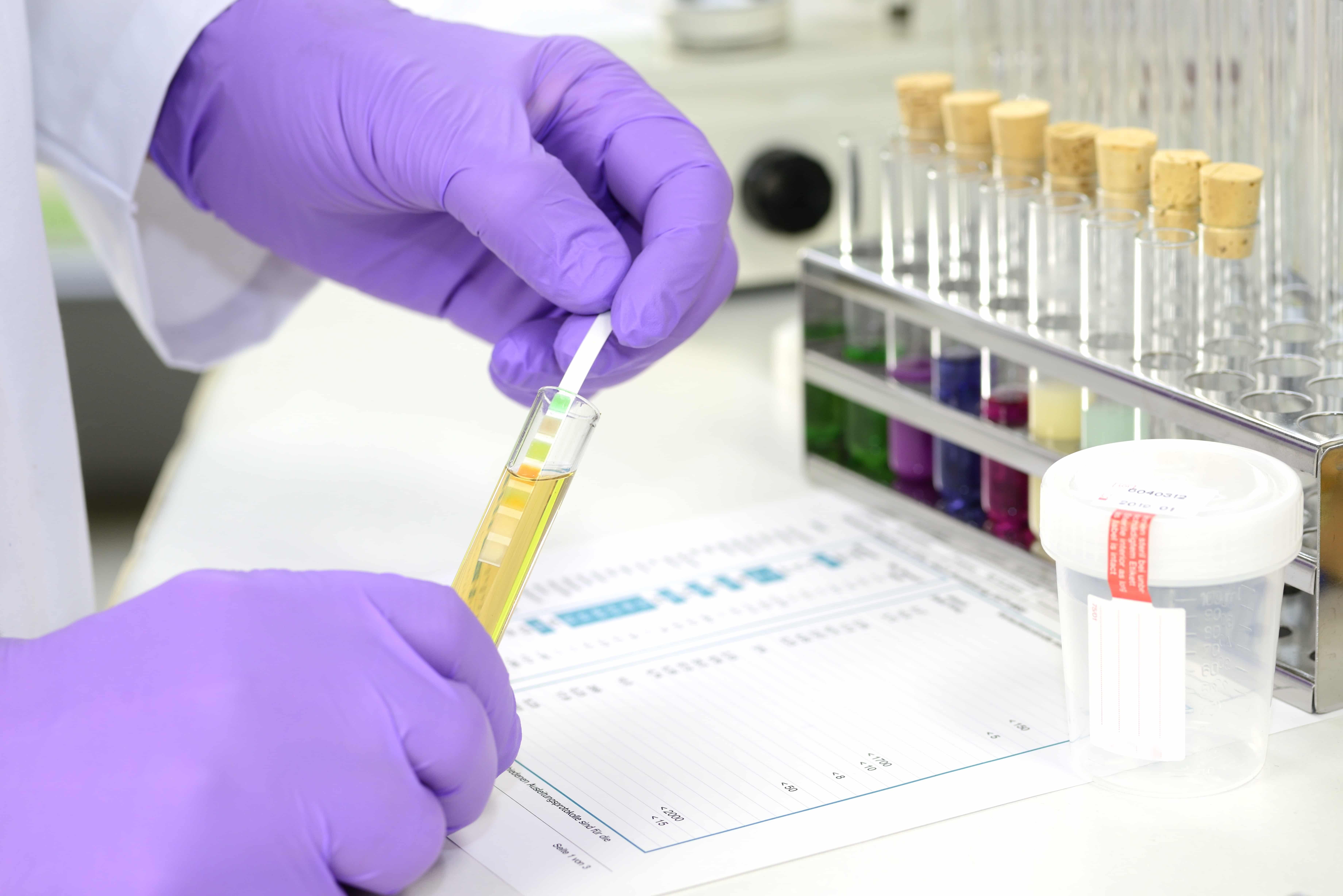
How Drug Testing Supports Court‑Ordered Supervision in Florida

Drug testing is a cornerstone of Florida’s court-ordered supervision system—such as probation, parole, diversion programs, and drug courts—helping to enforce compliance, support sobriety, and foster rehabilitation.

Legal Basis for Drug Testing in Supervision

Under Florida Statutes § 948.03, individuals under probation or community control must submit to random drug testing as directed by their probation officer or treatment provider—particularly if the offense involved drug use. The statute mandates that the costs of testing typically fall on the offender, and refusing or failing to comply can constitute grounds for revocation or further sanctions .

Monitoring and Deterrence

Court supervision programs integrate both scheduled and random drug testing to create an unpredictable testing environment, making it difficult for participants to evade detection. This unpredictability has a strong deterrent effect, reinforcing sobriety and discouraging relapse. Those who test positive may face sanctions such as increased supervision, program delays, or incarceration, depending on judicial discretion and supervision agreements .

Drug Courts: Structured Support & Accountability

Florida’s drug court system—a nationally pioneering model—emphasizes frequent drug testing integrated with treatment and judicial oversight. As of mid‑2024, Florida operated 48 adult drug courts, along with juvenile, dependency, and DUI courts, collectively admitting over 3,300 participants in 2023.

Programs typically span 12–18 months and are organized into phases with progressively reduced testing frequencies (e.g. daily tests in Phase 1 tapering to weekly/monthly in later phases). Drug tests are the primary objective measure of abstinence and help courts determine whether to advance participants to the next phase, reward compliance, or impose sanctions.

Research indicates that participants average roughly 0.44 drug tests per week—about one test every other week—in some programs, although best practices suggest 2–3 tests per week yield stronger outcomes. These frequent screenings, combined with treatment and sanctions, support accountability while allowing judges to tailor responses based on individual progress.

Outcomes & Cost Savings

Florida’s drug courts contribute to notable reductions in recidivism and cost savings. Studies show that drug court graduates across the U.S. often have recidivism rates of 16–27%, far lower than typical probation populations (~46–60%) . A three‑year evaluation of Florida’s post‑adjudicatory diversion courts reported cost savings exceeding $3.8 million, while delivering better treatment outcomes and reduced prison use.

Supporting Recovery & Reintegration

Drug testing also reinforces recovery by encouraging participants to remain engaged in treatment. Clean tests help build trust with judges, probation officers, and treatment providers, which may open opportunities for judicial incentives like reduced supervision, eventual dismissal of charges, or expungement upon program completion .

Even when a test result is positive, it often triggers a review of treatment needs and may prompt increased counseling, more frequent testing, or program adjustments—prioritizing rehabilitation over default punitive measures.

Challenges & Considerations

While effective, court-ordered testing can be burdensome. Some jurisdictions require participants to pay for tests (in Osceola County that cost alone can exceed $1,080 plus treatment fees), which can pose financial challenges—especially for indigent participants. And while testing is essential for accountability, reliance on self‑report in the absence of testing—such as during pandemics—has proven unreliable .


Conclusion

Drug testing under court-ordered supervision in Florida is integral to promoting accountability, deterring relapse, and enhancing public safety. When paired with structured treatment, judicial oversight, and tailored interventions, it supports rehabilitation and reduces recidivism. While challenges such as cost and access remain, the state’s model illustrates how regular, data-informed drug screening can transform legal supervision into a pathway toward recovery and reintegration both individual lives and community health.